
|
|
|
Contents
MSME & Start-ups
- </Infrastructure & EV Opportunity: How India’s infrastructure and electric mobility push can create new growth avenues for MSMEs
- UPI Record Surge: What ₹29.9 lakh crore UPI transactions mean for MSME payments, cash flow and creditworthiness
- MSME Credit Trends: Loan portfolio grows 12.8% YoY to ₹46 trillion, but lenders turn more selective
- West Asia Risk Watch: Govt reviews measures to protect MSMEs from supply-chain, logistics and working-capital shocks
- MSME Rating Reform: EEPC India proposes separate rating framework for better funding and competitiveness
- Clean-Tech Startup Focus: Hydrovert Energy’s role in India’s hydrogen fuel-cell ecosystem
- Startup Optimism: Why Anand Mahindra believes India’s biggest startup wave is still ahead
- ONDC Startup Mahotsav: Over 5,000 startups participate; 12 unicorns commit to join ONDC
- Deep-Tech Breakthrough: IIT Madras incubator Agnikul builds world’s first 3D-printed rocket engine
- Robotics & AI Data: Startups race to collect real-world training data for physical AI systems
Economy
- Foreign Capital Push: RBI unveils six measures to attract more foreign money into India
- RBI Policy Update: Repo rate kept unchanged as central bank flags inflation and external risks
- GDP Growth: India’s GDP expands 7.8% in Q4, taking full-year FY26 growth to 7.7%
- India–Myanmar Cooperation: Trade, security, connectivity and border management discussed
- Energy Diversification: India and Venezuela deepen crude and energy ties
- India–Russia Trade: Bilateral trade projected to cross the $100 billion mark
- Japan’s India Pivot: Japanese financial institutions shift attention from China toward India
- Make in India 2.0: Govt forms six sector groups to fast-track domestic manufacturing
- Digital Infrastructure: AirTrunk’s ₹3 lakh crore investment plan highlights India’s data-centre opportunity
- New Inflation Trackers: DPIIT to launch Output and Service PPIs from June 15
- FY26 Growth Mix: Investment gains momentum while consumption remains steady
- Infrastructure Supercycle: Global infrastructure opportunity could reach $20 trillion
Technology
- Solar Cell Innovation: IIT Guwahati develops perovskite technology achieving 25.73% efficiency
- Defence Protection: DRDO develops India’s lightest Level 6 bullet-proof jacket
- Industrial Wastewater Solution: IIT Gandhinagar creates biodegradable “super sponge” for toxic dyes
- EV Battery Charging: IIT Gandhinagar develops adaptive charging method to reduce battery degradation
- River Restoration Tech: CSIR-NBRI builds satellite-based tool for greening river corridors
- Missile Capability: DRDO and IAF successfully test RudraM-II anti-radiation missile
- Space Agriculture: ISRO grows black-eyed pea plants in space aboard recycled rocket stage
- Cloudburst Prediction: IIT Bhubaneswar AI model claims 72-hour advance warning capability
India’s Infrastructure & EV Push Opens A New Growth Chapter For MSMEs
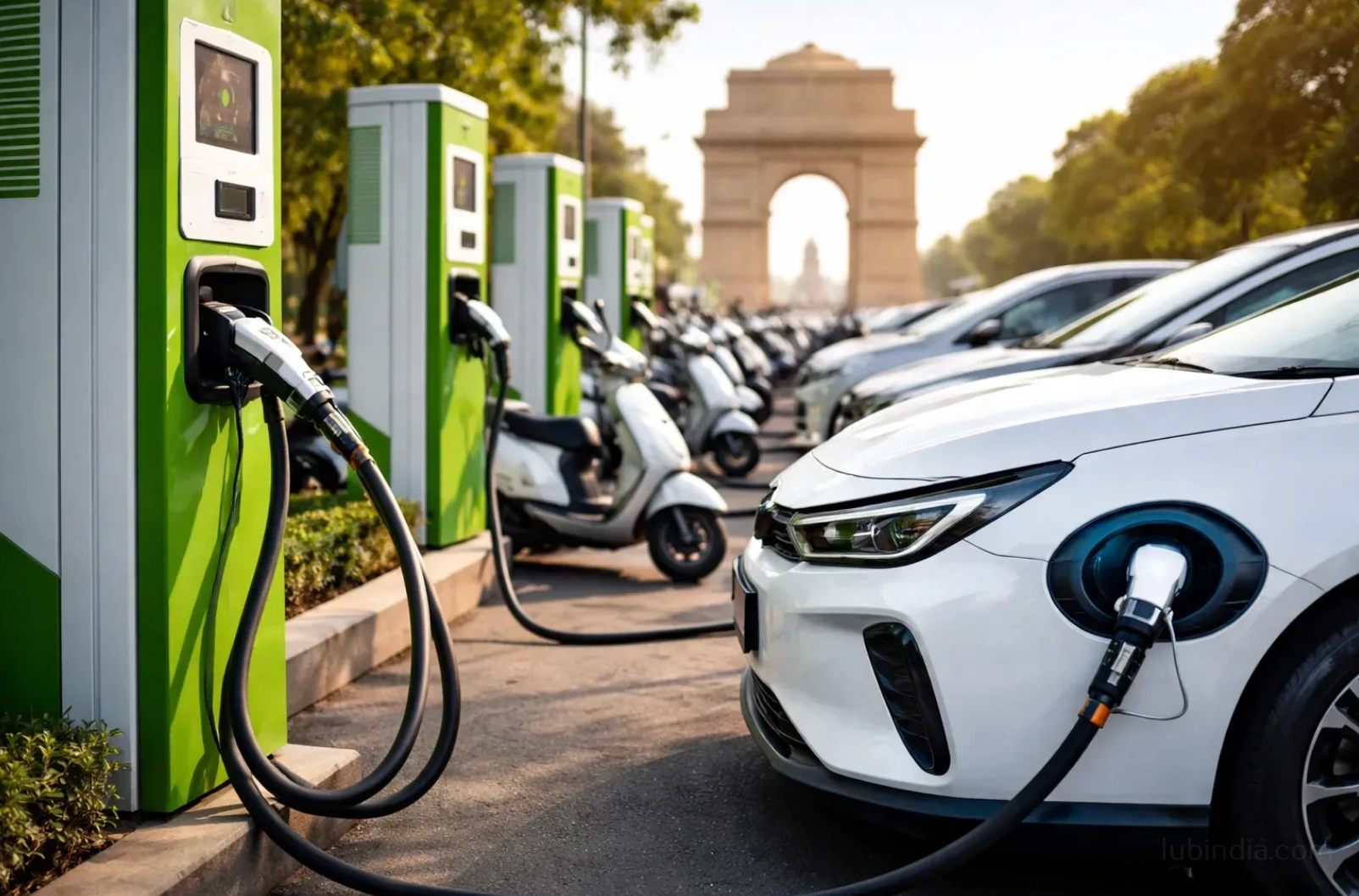
India’s rising infrastructure spending and electric mobility transition are opening new supply-chain opportunities for MSMEs across components, fabrication, logistics, charging infrastructure, services and maintenance.
The EV ecosystem is creating demand for localised manufacturing, light engineering, batteries, power electronics, software support and after-sales networks. For smaller firms, this shift can reduce dependence on traditional auto cycles and create entry points into higher-value industrial segments.
The key takeaway for MSMEs is to prepare early. Firms that invest in quality systems, certifications, skilled manpower and partnerships with larger OEMs, fleet operators or infrastructure contractors can capture a share of India’s infrastructure and EV-led growth.
View SourceUPI at ₹29.9 Lakh Crore: What India’s Payment Revolution Means for MSMEs

UPI reached a record ₹29.9 lakh crore in transaction value in May 2026, processing 23.2 billion transactions and confirming digital payments as core business infrastructure for India’s small enterprises.
For MSMEs, the shift goes beyond convenience. Instant settlements can improve working capital, reduce dependence on cash handling, strengthen vendor payments and create transaction histories that support bookkeeping, credit assessment, formalisation and faster lender evaluation.
The business takeaway is clear: digital payments are now a competitiveness tool. MSMEs that use UPI data to track demand, plan inventory, manage customers and build creditworthiness will be better positioned in an increasingly cash-light economy.
View SourceMSME Loan Portfolio Grows 12.8% Y-o-Y To Rs 46 Trillion In April 2026
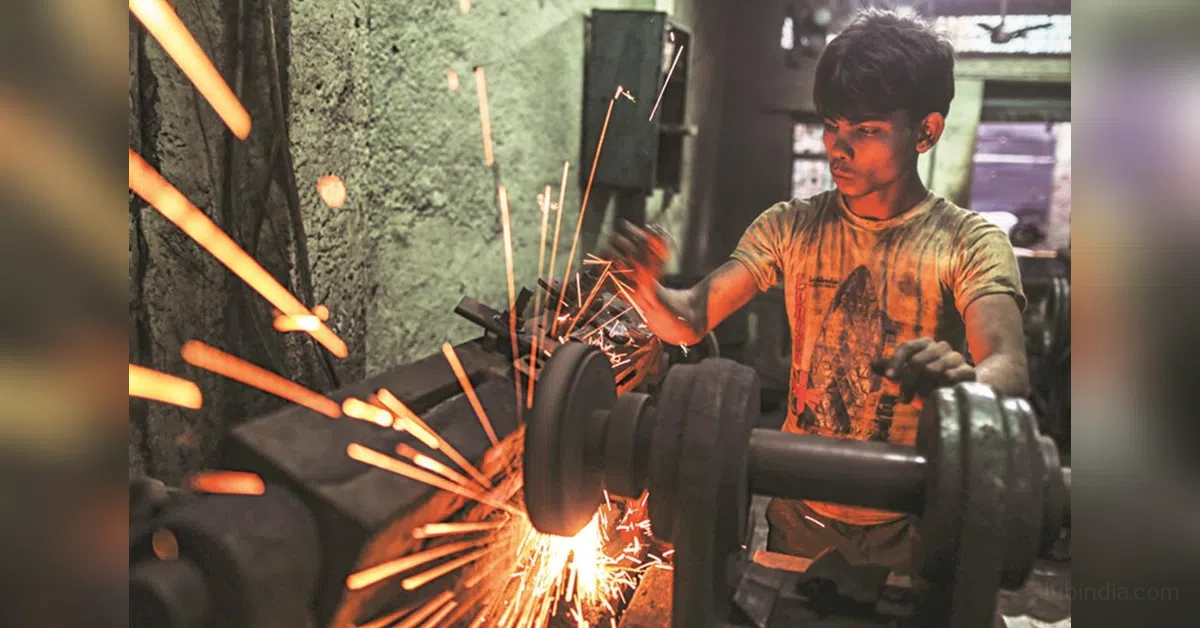
Outstanding MSME loans stood at about Rs 46 trillion at the end of April 2026, registering 12.8% year-on-year growth, according to CRIF data cited in the report.
However, the pace of expansion slowed between December 2025 and April 2026, with portfolio growth at 3.1% compared with 9.7% in the same period last year. Active loans also declined, signalling tighter credit conditions.
For MSMEs, this means financing may remain available but more selective. Business owners should strengthen cash-flow records, repayment discipline, digital transaction trails and formal documentation to improve credit access amid global uncertainty, sector-wise moderation and lender caution across key borrowing segments.
View SourceGovt Reviews Measures To Protect Indian MSMEs From Potential Impact Of West Asia Crisis
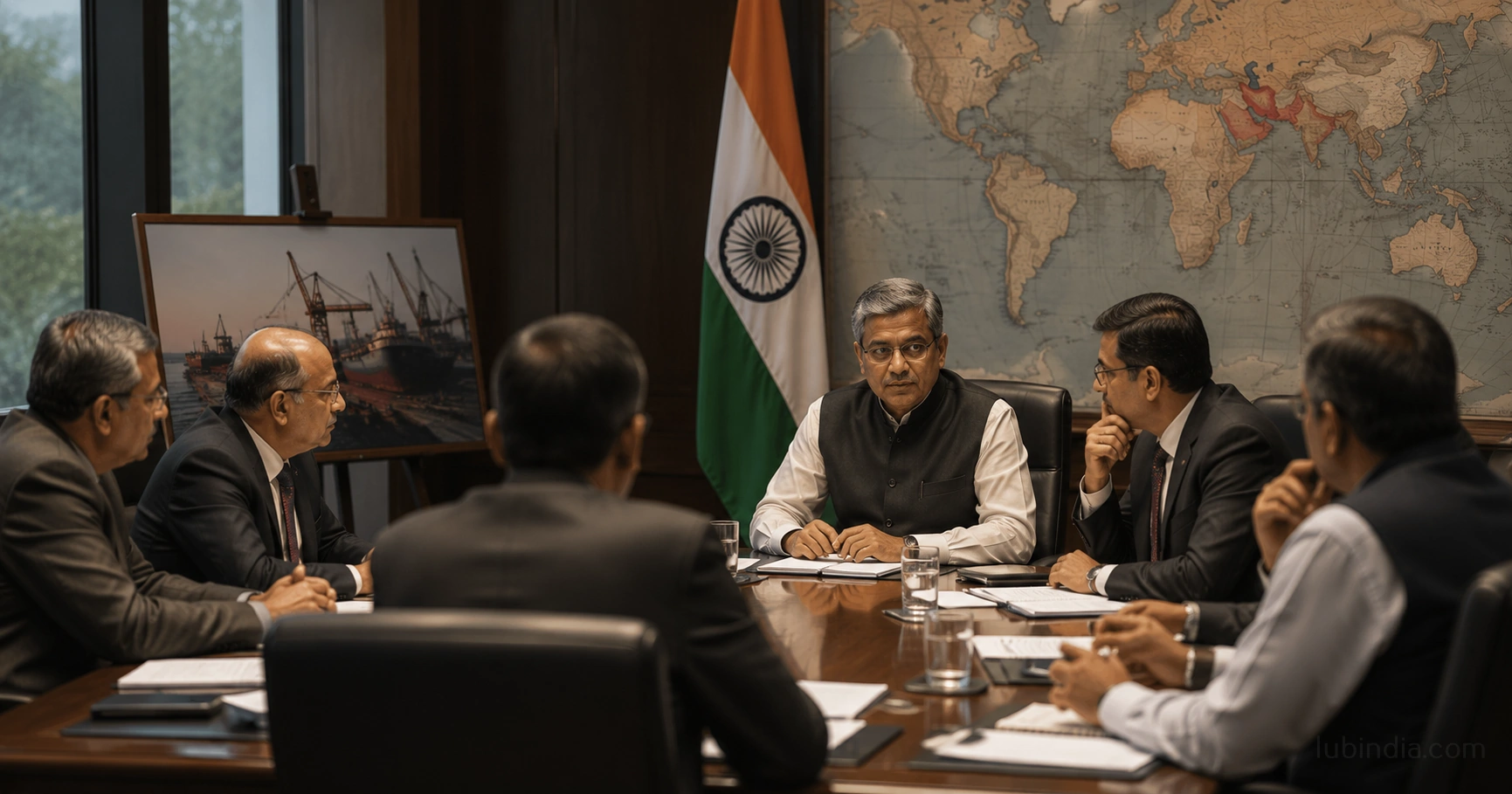
Union MSME Minister Jitan Ram Manjhi reviewed possible measures to protect Indian MSMEs from the impact of geopolitical developments in West Asia and related global trade risks.
The meeting examined raw material availability and prices, global supply-chain disruption, exports and imports, gas-related issues, transportation, logistics and working-capital concerns. Officials were directed to monitor the situation closely and prepare timely strategies.
For MSMEs, the review signals that external shocks can quickly affect input costs, freight, liquidity and export orders. Businesses should diversify suppliers, track commodity and logistics costs, preserve working capital and stay alert to government support measures that may emerge if risks intensify.
View SourceEEPC India Proposes Separate MSME Rating System For Better Funding And Global Competitiveness
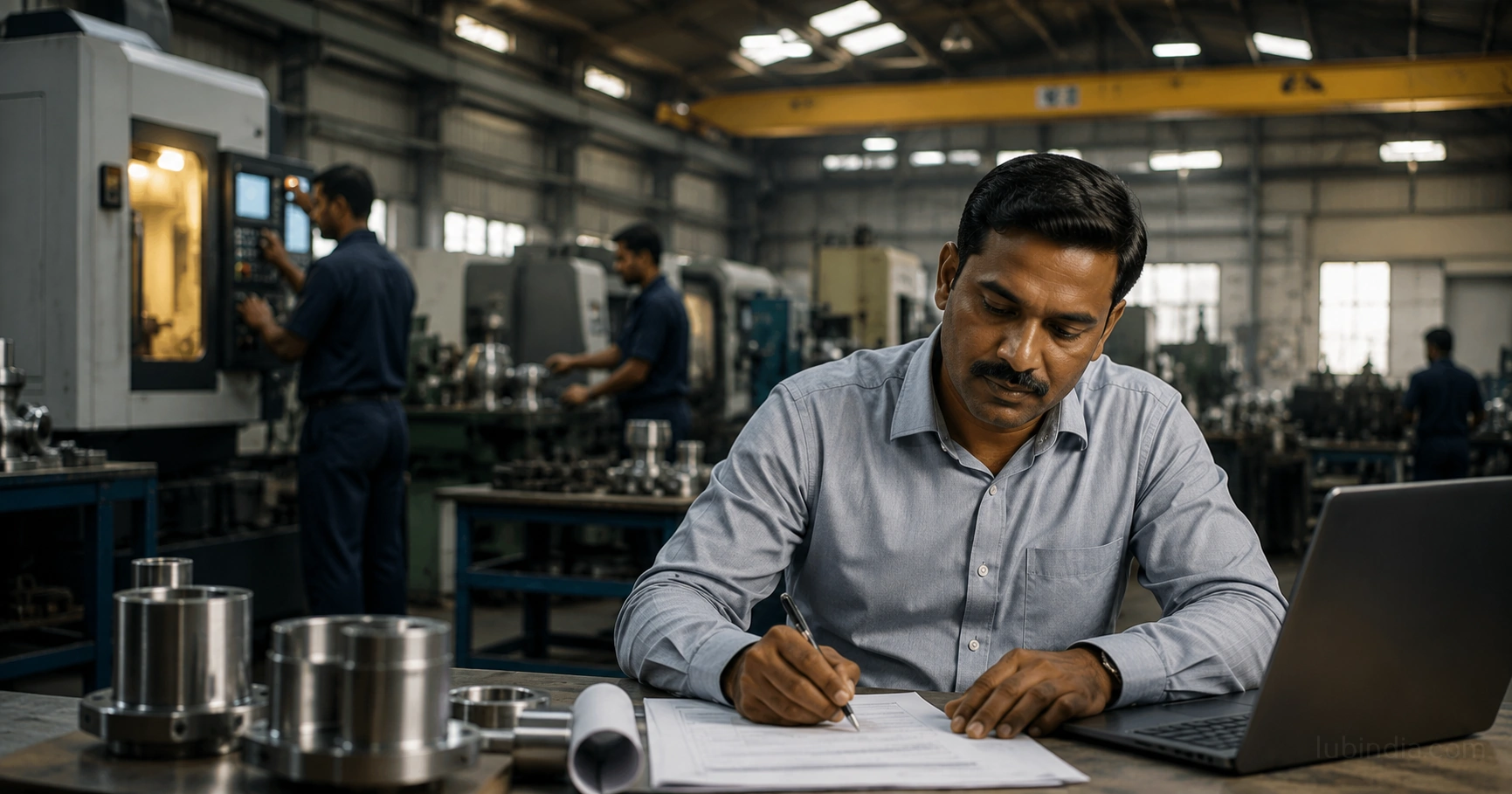
EEPC India has urged the government to create a separate rating system for MSMEs, arguing that smaller enterprises are unfairly benchmarked against large industry leaders and conglomerates.
The engineering export body said current rating practices often push MSMEs into lower or non-investment-grade categories, increasing collateral needs and loan costs. It has recommended RBI-led parameters that compare MSMEs with peers of similar scale and operating profile.
For business owners, a dedicated rating framework could improve access to affordable finance and support global competitiveness. It would also reward disciplined operations, transparent accounts, export performance and sector-specific strengths more fairly than broad corporate benchmarks.
View SourceStartup Mantra: Hydrovert Energy Is Key Player In India’s Hydrogen Fuel Cell Ecosystem
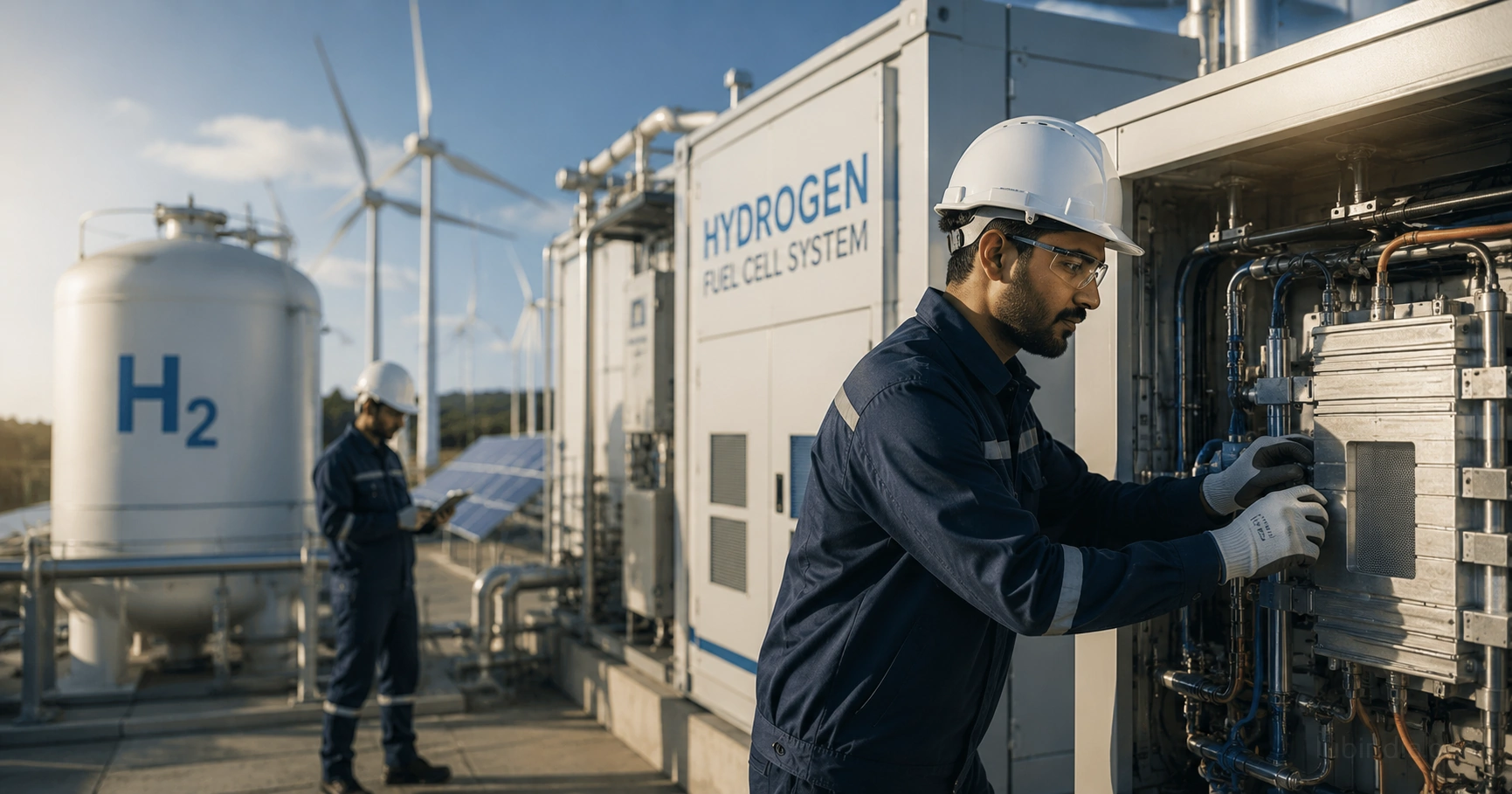
Pune-based Hydrovert Energy, founded in 2021 by Supriya and Satyajit Phadke, is building hydrogen fuel-cell technology for cleaner mobility and power-generation applications in India’s energy transition.
The startup combines deep technical expertise with business execution. Satyajit brings advanced energy research experience from IIT Roorkee, the University of Florida, MIT and Princeton, while Supriya adds engineering, strategy, sales and operations experience.
For clean-tech startups, Hydrovert’s journey shows the importance of specialised R&D, founder-market fit and solving performance gaps. Hydrogen fuel cells could be especially relevant for commercial vehicles that need long range, quick refuelling and minimal downtime without compromising zero-emission goals.
View Source‘You Ain’t Seen Nothing Yet’: Why Anand Mahindra Believes India’s Biggest Startup Wave Is Still Ahead
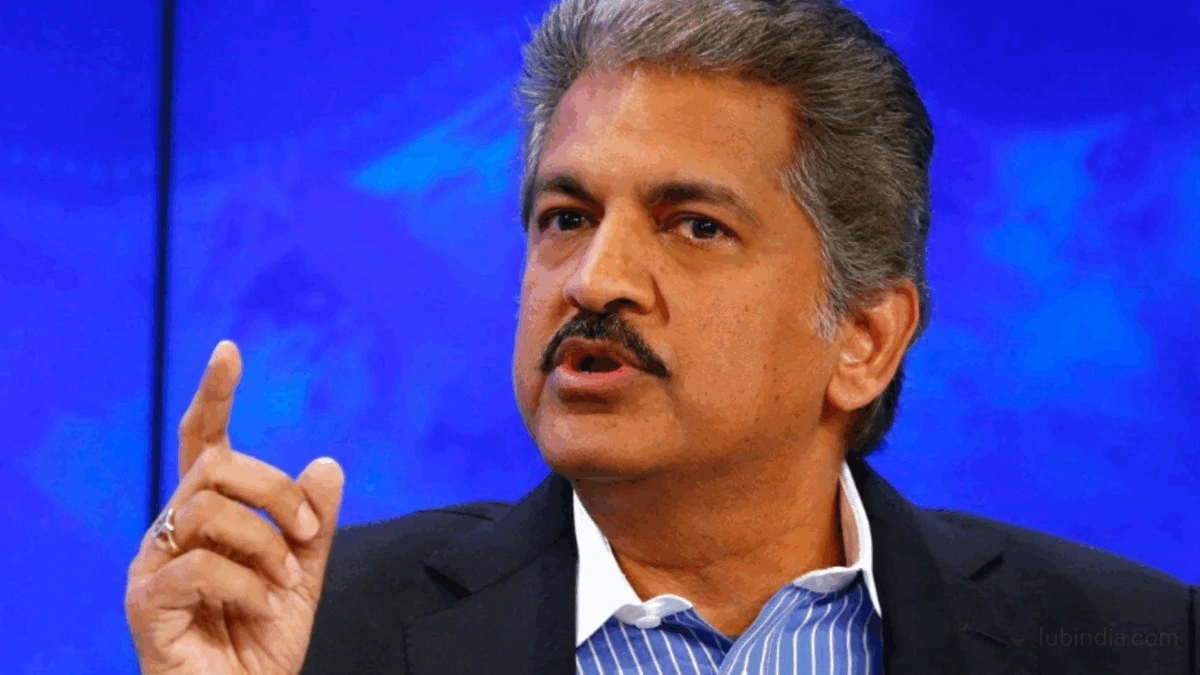
Anand Mahindra has expressed strong optimism about India’s startup future, saying the world has not yet seen the full scale of India’s entrepreneurial potential in the coming decade.
His remarks came in response to findings on immigrant founders driving a large share of US unicorns. Mahindra suggested India could produce an even larger wave of innovation as domestic talent, ambition and market depth converge.
For startups, the takeaway is confidence but also urgency. India’s next growth wave will favour founders who build globally relevant products, solve large domestic problems and convert technical capability into scalable companies with strong governance, capital discipline and execution.
View SourceONDC Startup Mahotsav In New Delhi Attracts Over 5,000 Startups, Sees Commitment From 12 Unicorns To Join ONDC Network
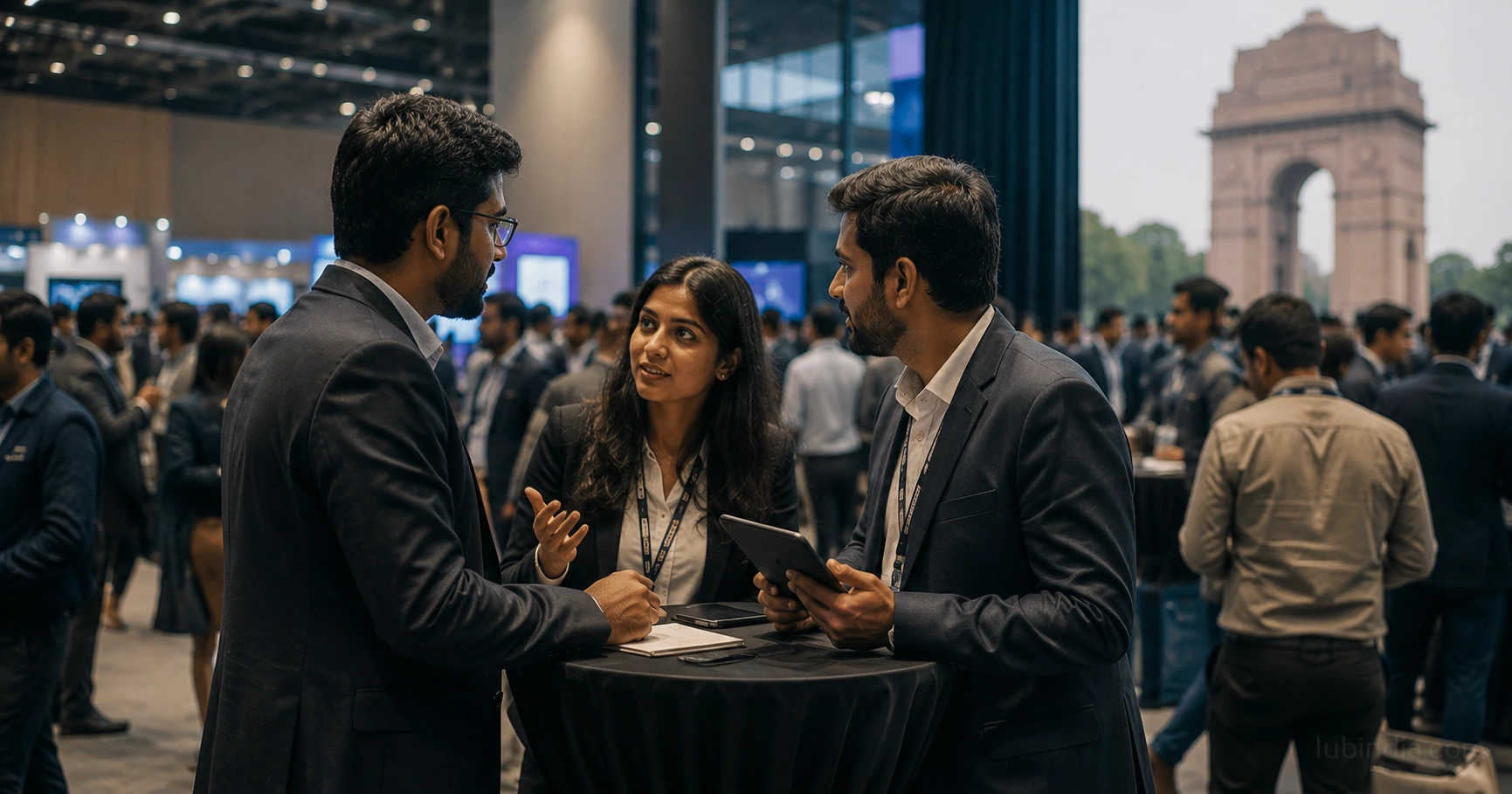
The ONDC Startup Mahotsav in New Delhi brought together Startup India and the Open Network for Digital Commerce to expand startup participation in digital commerce across India.
The event saw participation from more than 5,000 startups in hybrid mode. Twelve unicorns and over 125 startups committed to onboarding the ONDC network, underlining rising interest in open digital commerce infrastructure.
For startups and MSMEs, ONDC offers a chance to reduce dependence on closed marketplaces and reach customers through interoperable networks. Businesses that prepare catalogues, logistics, payments and service standards can use ONDC to widen market access at lower digital-entry costs.
View SourceBharat Innovates 2026: How An IIT Madras Incubator Helped Build The World’s First 3D-Printed Rocket Engine
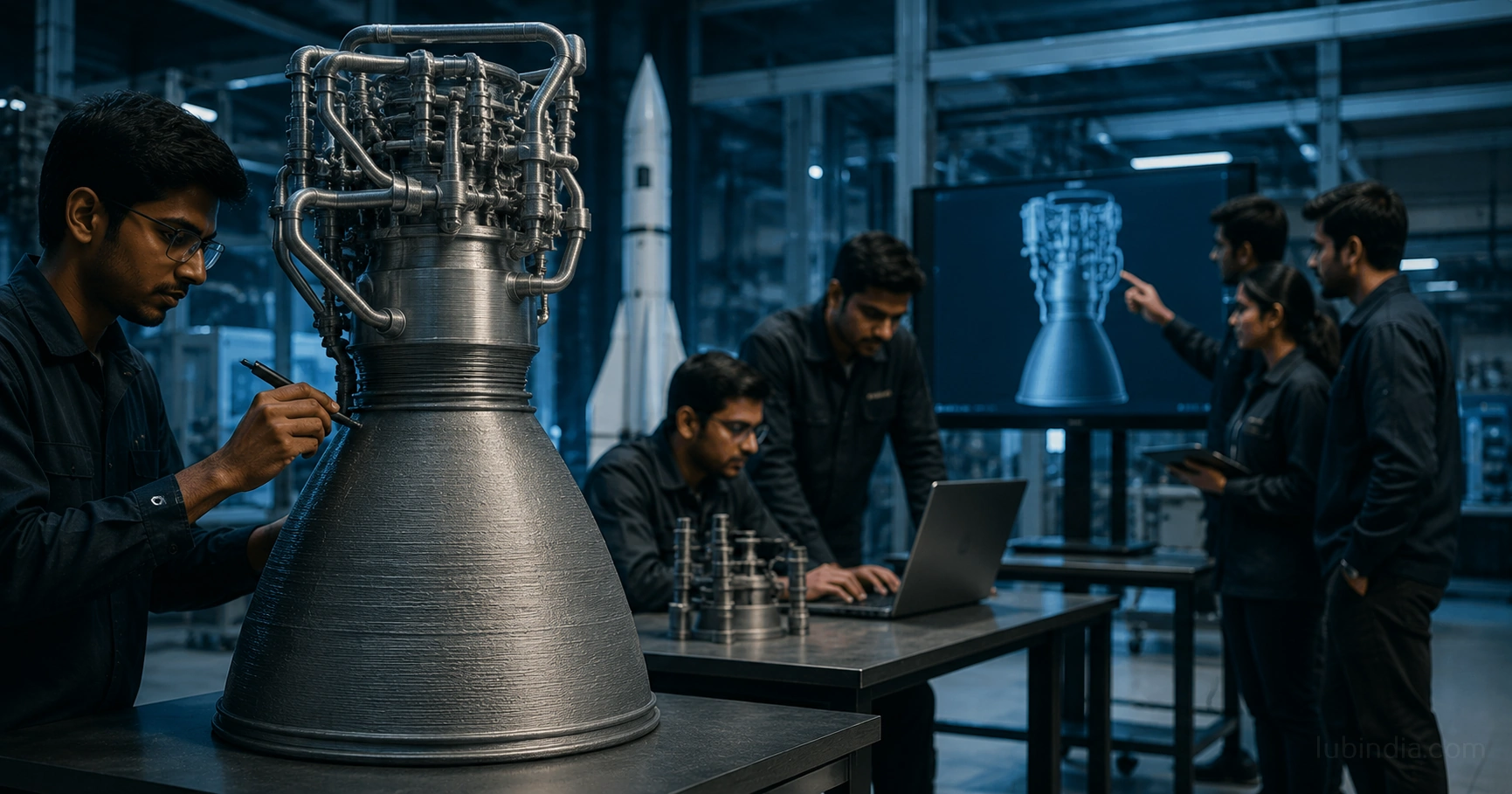
Agnikul Cosmos, incubated at IIT Madras Research Park, is demonstrating how Indian deep-tech startups can build globally distinctive manufacturing capability in space technology and launch services for global markets.
Its Agnilet engine is described as the world’s first single-piece 3D-printed semi-cryogenic rocket engine, simplifying production by replacing hundreds of parts with an integrated design. Agnibaan is being developed for flexible small-satellite launches.
For startups, the case highlights the value of incubation, advanced manufacturing, patents and access to national infrastructure. It also shows how specialised engineering ventures can create new exportable capabilities when R&D, capital, policy support and customer demand align.
View SourceAs Robotics Boom, Startups Race To Capture Real-World AI Training Data

Startups are racing to collect real-world data needed to train physical AI and robotics systems, moving beyond traditional online datasets and simulated environments for commercial deployment.
Companies such as Human Archive, Humyn Labs, Egolab AI and Neocambrian are using wearable cameras, factory settings, cloud kitchens, warehouses and home-service environments to capture first-person video of everyday tasks. The data helps robots learn movement, object recognition and decision-making in messy real settings.
For Indian startups, this opens a new AI-services opportunity, but it also raises serious issues around consent, privacy, worker compensation and governance. Responsible data practices will be essential for long-term credibility.
View SourceRBI Unveils 6 Measures To Pull More Foreign Money Into India
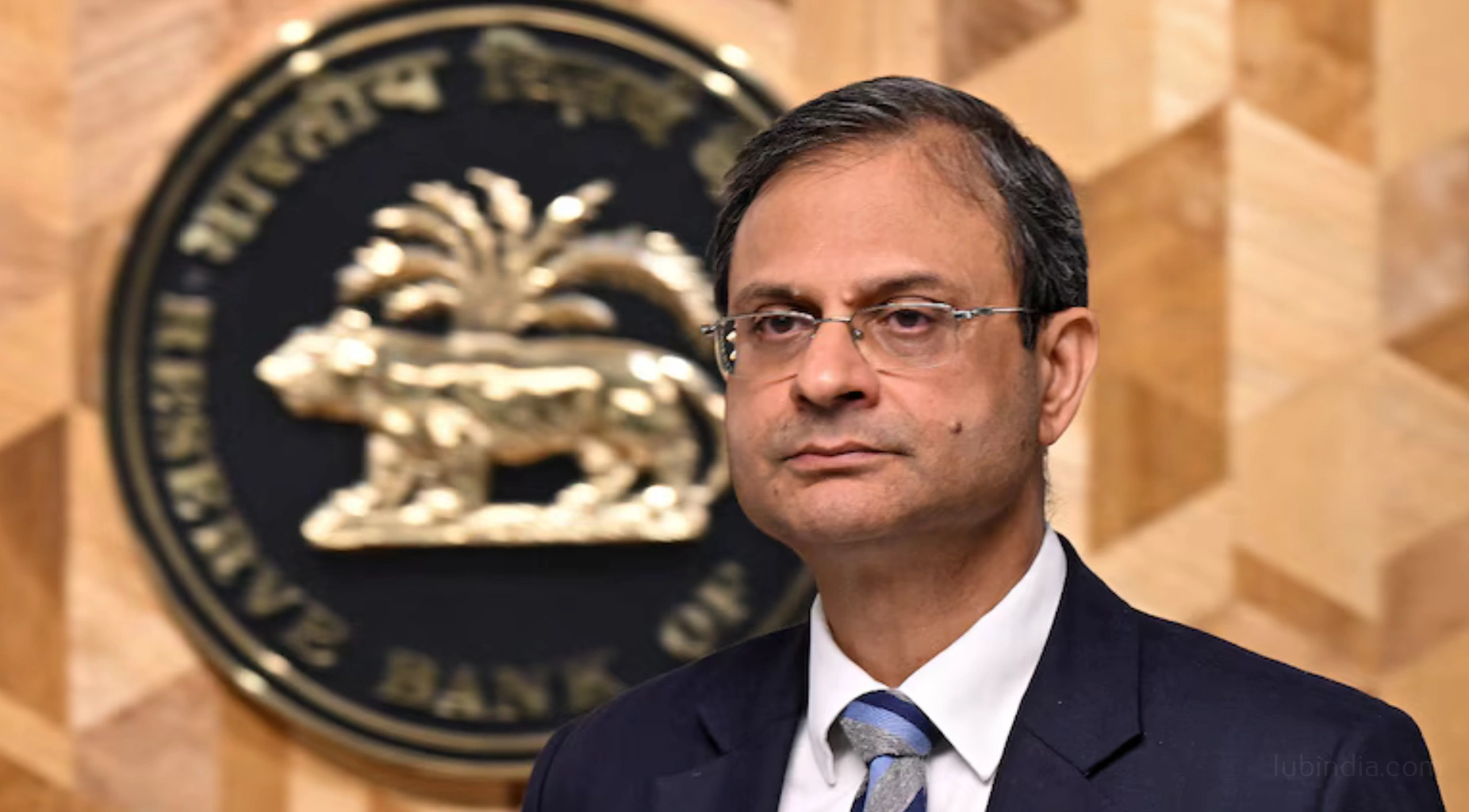
The RBI announced six measures to attract more foreign money into India, including wider access to long-term government securities and changes affecting foreign portfolio investors.
The package is designed to deepen bond-market participation, support capital inflows and ease pressure on the rupee. Measures around concentration limits, investment access and related market rules signal a coordinated effort to make Indian financial assets more attractive to global investors.
For the economy, stronger foreign inflows can improve liquidity, lower funding costs and support external stability. The benefits, however, depend on global conditions. India must balance openness with safeguards against sudden outflows and currency volatility.
View SourceRBI MPC Meeting 2026 Highlights: Sanjay Malhotra & Co Keeps Repo Rate Unchanged, Flags Economic Risks
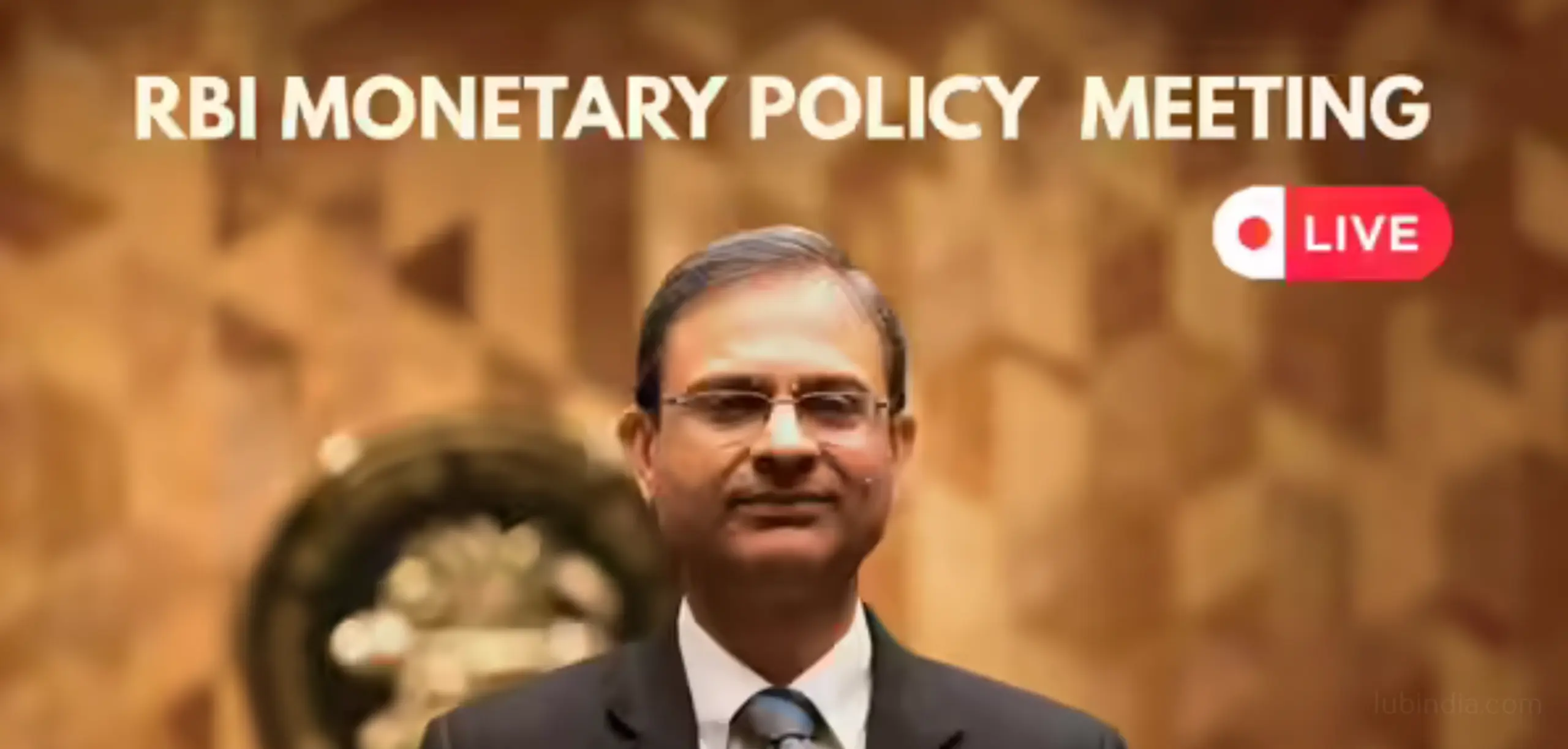
The RBI’s Monetary Policy Committee kept the repo rate unchanged, signalling caution as inflation risks from crude oil, the rupee and geopolitical tensions intensified.
Governor Sanjay Malhotra’s policy stance reflects a difficult balance: growth remains resilient, but external shocks from the West Asia conflict and oil markets could feed into domestic prices. A neutral stance gives the central bank flexibility without sending a strongly hawkish signal.
For the broader economy, the decision preserves policy stability while acknowledging rising uncertainty. Businesses and markets will watch whether inflation pressures remain contained, because sustained energy-price shocks could affect consumption, margins and investment planning.
View SourceGDP Expands 7.8%, Taking Full Year Growth To 7.7%: Govt Data
Government data showing 7.8% GDP growth in the January-March quarter lifted full-year FY26 growth to 7.7%, confirming a stronger-than-expected finish to the year.
The numbers indicate that India entered FY27 with solid momentum, supported by domestic demand, investment activity and sectoral resilience. Strong growth also helps fiscal ratios by expanding the nominal income base, although expenditure quality and revenue buoyancy remain important for stability.
For the economy, the data strengthens confidence but also raises the bar for policy execution. The next challenge is to turn cyclical strength into durable growth through productivity, manufacturing depth, infrastructure delivery and inflation control.
View SourceIndia And Myanmar Discuss Trade, Security, Connectivity And Border Management
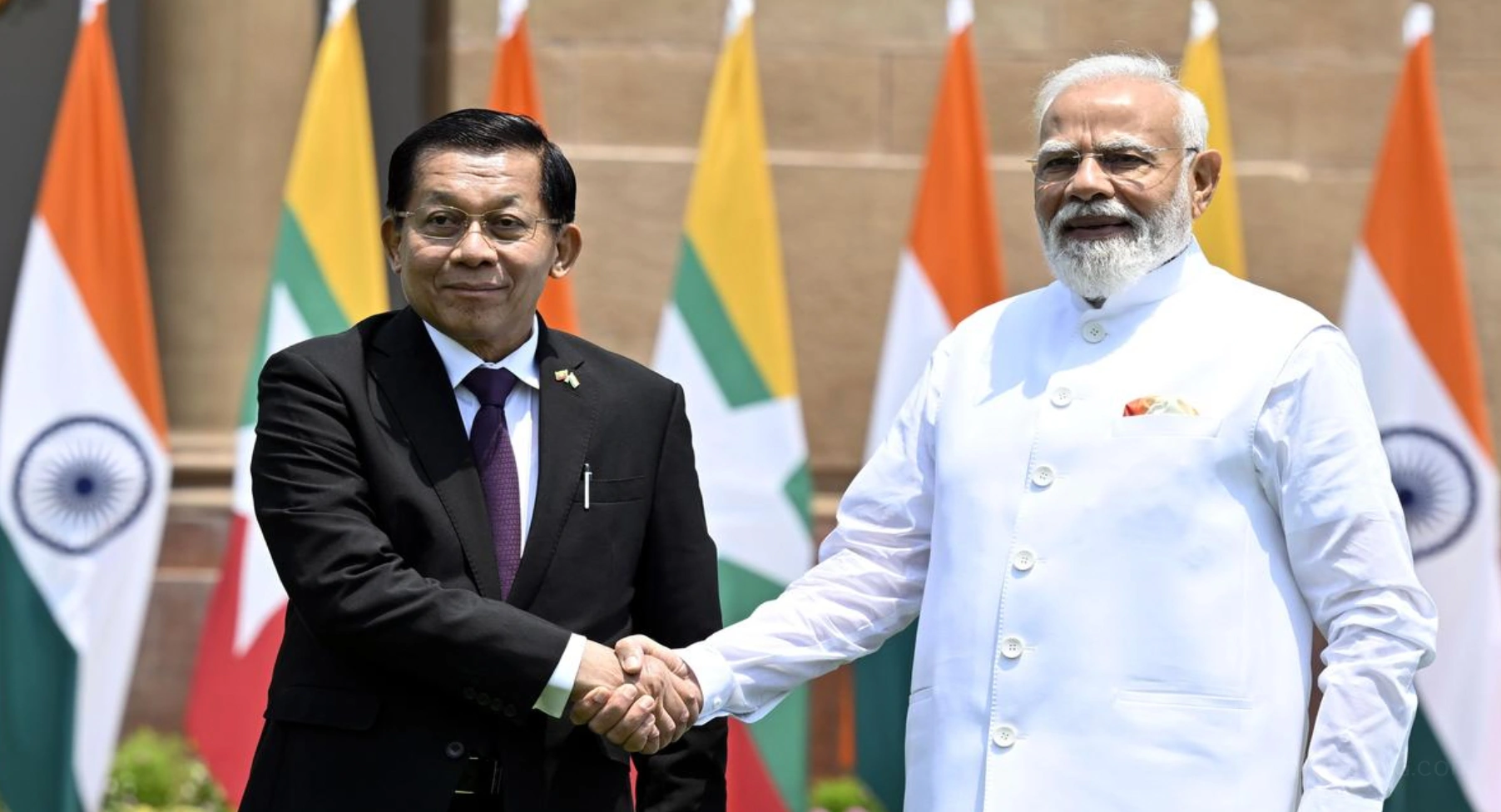
India and Myanmar reviewed cooperation across trade, security, connectivity and border management, underlining the economic importance of stability in the eastern neighbourhood.
For India, Myanmar remains central to regional connectivity projects linking the Northeast with Southeast Asia. Better coordination on border management and security can reduce disruption to trade routes, while infrastructure links can support commerce, logistics and local economic activity in frontier states.
The broader economic takeaway is that connectivity policy is also growth policy. Progress with Myanmar can strengthen India’s Act East strategy, improve cross-border market access and support regional development, though implementation will depend on security conditions and sustained diplomatic engagement.
View Source‘Perfect Complementarity’: India, Venezuela Deepen Energy Ties Amid Crude Diversification Push
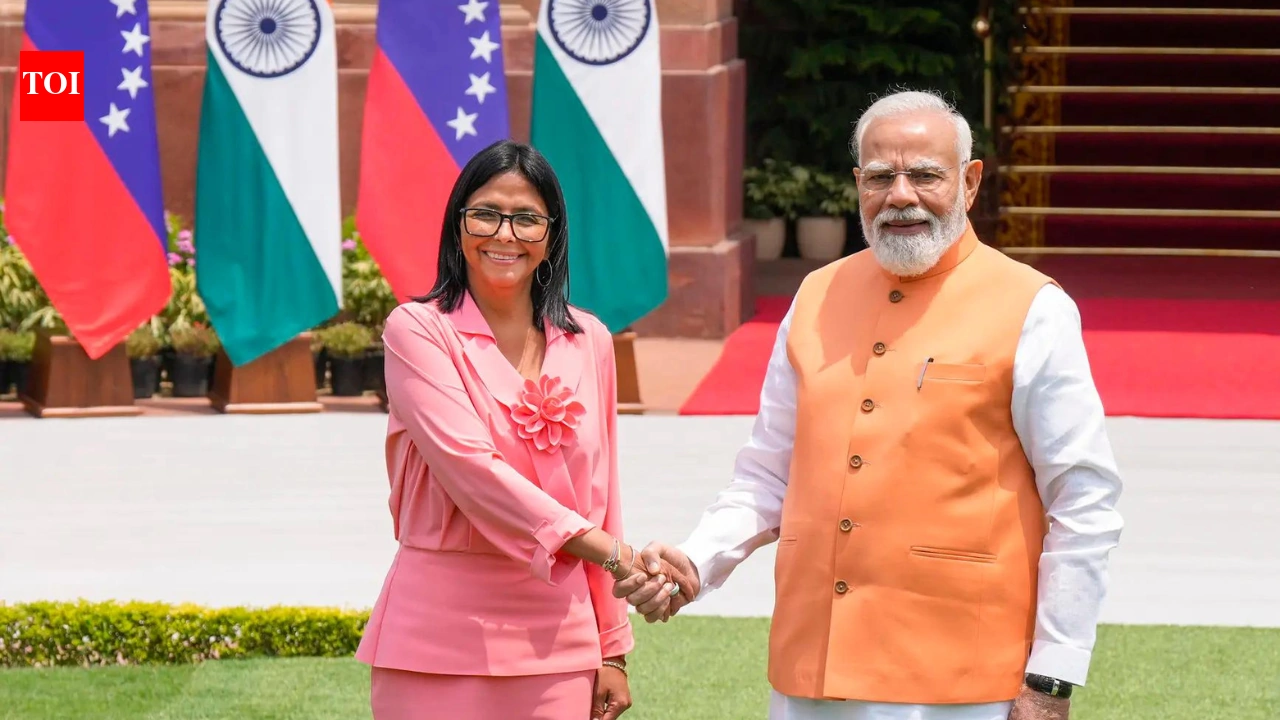
India and Venezuela are deepening energy engagement as New Delhi looks to diversify crude supplies amid global oil-market volatility.
Venezuela’s large oil reserves and renewed exports to India offer an alternative source at a time when conflict-related risks are affecting traditional supply routes. Talks also covered broader cooperation, including upstream and downstream energy activity, critical minerals and investment opportunities.
For India’s economy, diversification improves energy security and can reduce exposure to supply shocks or price spikes. The opportunity is commercially important, but it remains linked to sanctions policy, shipping risks and the ability of Indian refiners to manage crude quality and payment arrangements.
View SourceIndia, Russia Set To Cross $100 Billion Trade Mark: What Makes New Delhi A Key Partner For Putin

India-Russia trade is being projected to move toward the $100 billion mark, with energy continuing to anchor the relationship.
The expansion reflects India’s need for reliable energy supplies and Russia’s search for durable markets amid geopolitical realignment. Oil, nuclear cooperation, fertilisers and strategic commodities remain central, while both sides are also looking to broaden trade into investment and industrial collaboration.
For India’s economy, the partnership offers supply diversification and potential cost advantages. But concentration in energy-heavy trade also creates exposure to sanctions, payment frictions and diplomatic pressure, making diversification of the trade basket and settlement mechanisms important for long-term resilience.
View SourceChina Out, India In? The Japanese Begin A Quiet But Powerful Pivot

Japanese financial institutions are reportedly shifting more attention from China toward India, reflecting a wider reassessment of Asian growth and risk exposure.
The pivot is being driven by China’s slowing growth, geopolitical tensions and rising operating uncertainties, while India offers scale, credit demand and stronger medium-term expansion prospects. Japanese banks have historically followed their manufacturers abroad, so the change signals potential reallocation of capital, trade finance and corporate banking activity.
For India, this could strengthen foreign investment flows and supply-chain financing. The opportunity is significant, but converting interest into durable investment will depend on regulatory clarity, project execution and ease of doing business.
View SourceGovt Sets Up Six Sector Groups To Fast-Track ‘Make In India 2.0’ Push
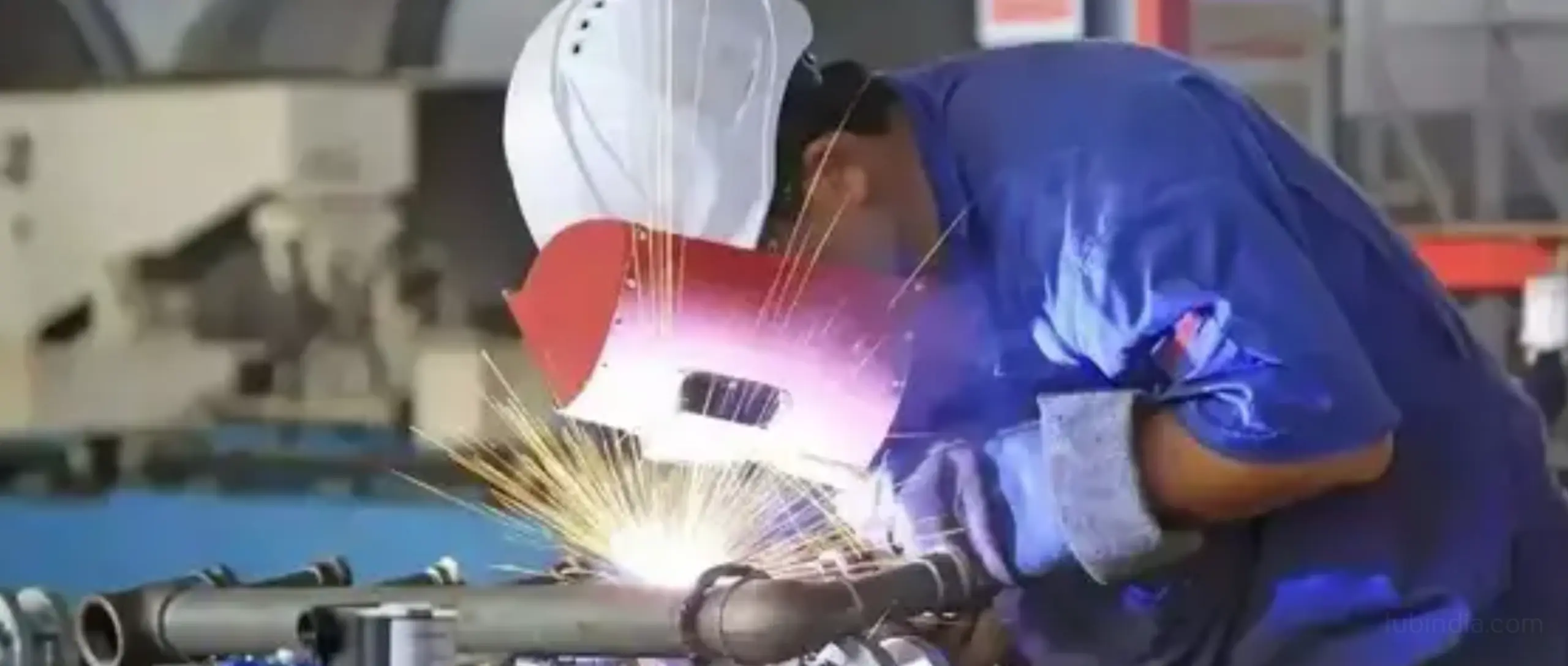
The government has set up six sector groups to accelerate the Make in India 2.0 agenda and identify products that can be manufactured domestically.
The focus is on reducing import dependence, strengthening local value chains and targeting sectors where India can build competitive capacity. By narrowing attention to specific product categories, the initiative aims to move beyond broad industrial policy toward faster problem-solving on inputs, standards, technology and investment bottlenecks.
For the economy, the push could support manufacturing jobs, improve trade balances and attract supply-chain investment. Its success will depend on execution, coordination with industry and whether domestic production can match global cost and quality benchmarks.
View SourcePM Modi Welcomes AirTrunk's Rs 3 Lakh Crore Investment Plan In India, Highlights Digital Economy Push
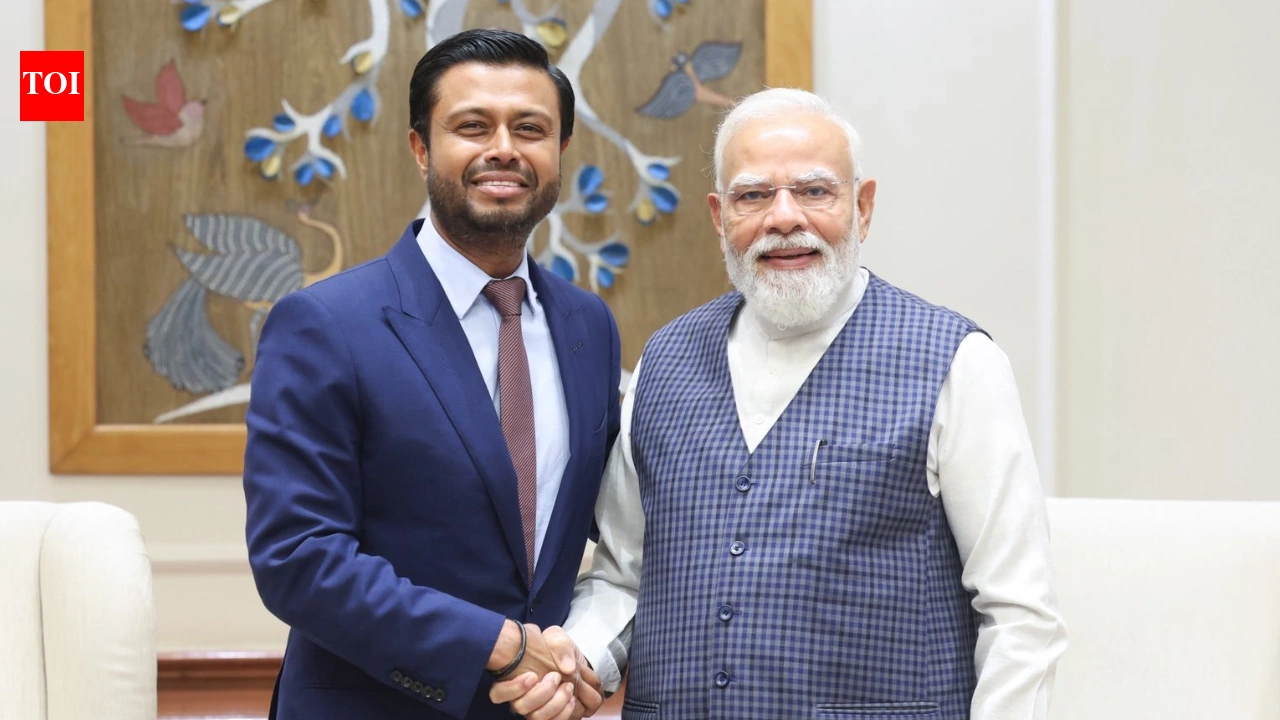
Prime Minister Narendra Modi’s welcome for AirTrunk’s proposed Rs 3 lakh crore investment highlights the rising economic importance of digital infrastructure.
The planned investment, backed by Blackstone-linked AirTrunk, is expected to support data centres, cloud capacity and artificial intelligence infrastructure in India by 2030. Such projects are becoming critical as businesses, government services and consumers generate rapidly growing demand for computing and storage.
For the economy, large-scale data-centre investment can attract technology ecosystems, create skilled jobs and strengthen India’s digital sovereignty. It will also increase demand for power, land and connectivity, making reliable energy and regulatory approvals central to execution.
View SourceIndia’s New Inflation Trackers: DPIIT To Launch Output And Service PPIs On June 15
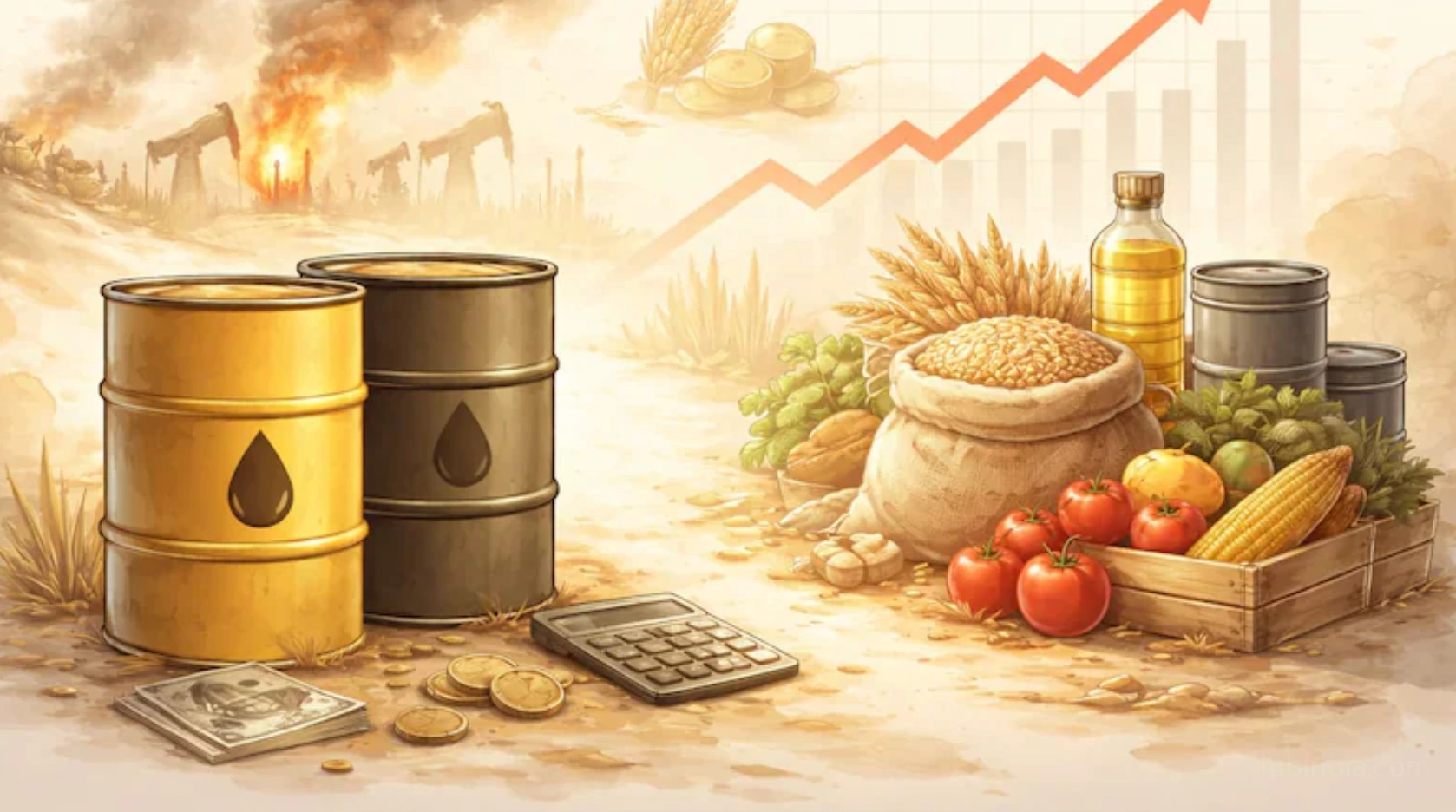
DPIIT’s plan to launch Output and Service Producer Price Indices marks an important expansion of India’s inflation-monitoring framework beyond the traditional Wholesale Price Index.
The new indicators should help policymakers track price movements at the producer level across goods and services, improving visibility on cost pressures before they reach consumers. Monthly output and input measures, along with a quarterly services index, can also sharpen monetary, fiscal and industry analysis.
For the broader economy, better price data is a structural reform. It can support more timely policy responses, help businesses benchmark cost trends, and gradually bring India’s statistical architecture closer to global inflation-measurement practices.
View SourceInvestment Gained Momentum, Consumption Steady In FY26: NSO Data

NSO data indicating stronger investment momentum and steady consumption in FY26 points to a healthier composition of India’s growth than headline GDP alone suggests.
Investment-led expansion is especially important because it can raise future capacity, productivity and employment. Steady consumption provides a demand floor, while stronger capital formation suggests confidence among businesses and government-backed infrastructure spending.
For the broader economy, the mix is encouraging. Growth led by investment rather than only consumption is more likely to be durable, provided projects are completed efficiently and private-sector participation strengthens. The next test is whether household demand broadens and capacity creation translates into sustained income gains.
View SourceThe Next Infrastructure Supercycle Could Be Worth $20 Trillion
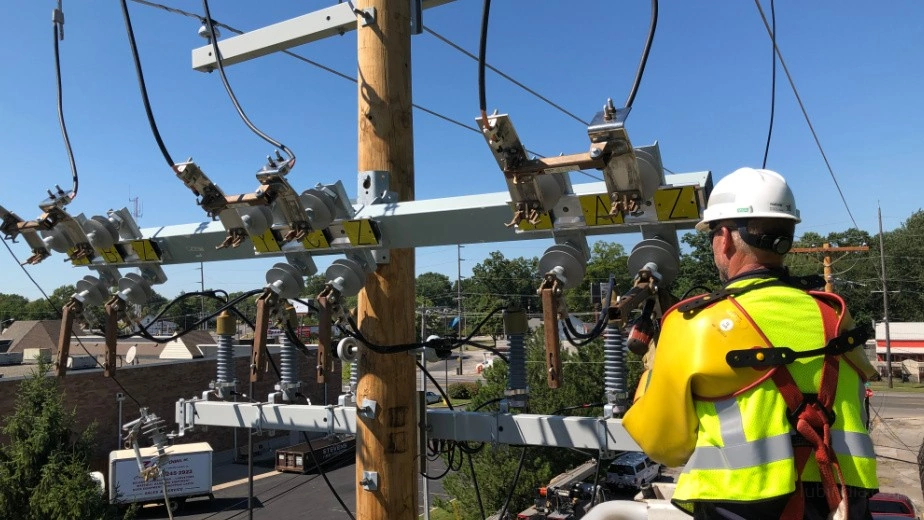
The projection of a potential $20 trillion infrastructure supercycle points to the scale of global investment likely to be driven by energy transition, digitalisation and ageing public assets.
For economies, infrastructure spending can become a major growth engine if it improves productivity rather than merely expanding capacity. Power grids, data centres, transport systems, mining supply chains and industrial facilities are all expected to require large capital commitments as countries adapt to new energy and technology needs.
The key risk is financing. Governments and private investors will need bankable projects, predictable regulation and disciplined execution to prevent debt stress while capturing the productivity gains of this investment wave.
View SourceIIT Guwahati Develops Perovskite Technology Achieving 25.73% Solar Cell Efficiency
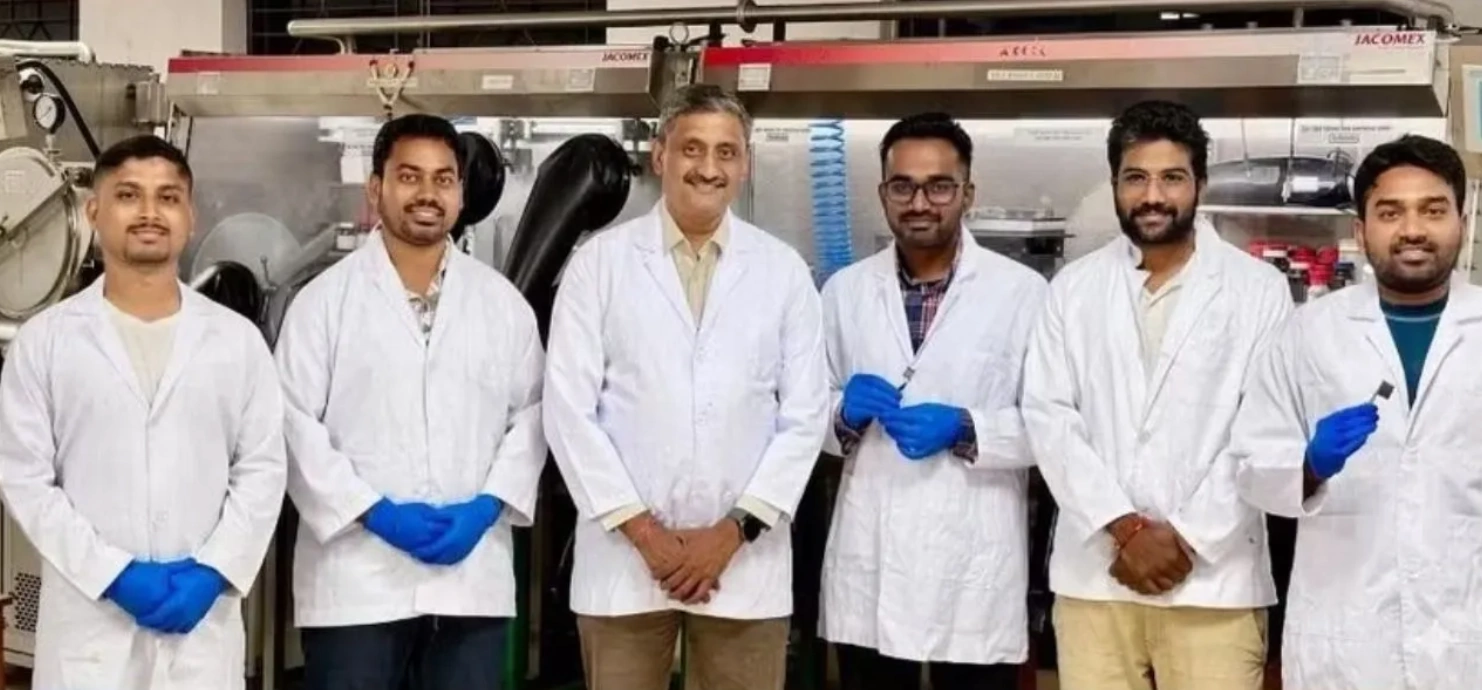
IIT Guwahati researchers have reported a perovskite solar-cell technology reaching 25.73% power-conversion efficiency, while also supporting advanced memory and AI computing applications.
Led by Prof. Parameswar K. Iyer, the team inserted ultrathin donor-acceptor organic molecules at the interface between transport and perovskite layers. The 10–15 nanometre films reduce charge trapping, smooth carrier movement and improve stability. Devices retained around 90% performance in ambient storage and about 75% under heat and illumination stress.
The team says efficiency has crossed 26% in later experiments. It is now working on real-world durability and large-area, flexible manufacturing with industry partners for solar, satellite and integrated electronics use.
View SourceDRDO Develops Lightest Bullet Proof Jacket Of Country For Highest Threat Level Of BIS Ammunition

DRDO has developed India’s lightest bullet-proof jacket for protection against the highest Level 6 threat under BIS ammunition standards.
The jacket uses a new design approach combining novel materials and advanced processing. Its front hard armour panel is built from a monolithic ceramic plate with polymer backing, enabling it to defeat multiple hits while improving comfort. The ergonomic hard armour panel is intended to enhance wearability during field operations, where weight and mobility directly affect soldier performance.
The jacket was successfully tested at the Terminal Ballistics Research Laboratory in Chandigarh. The development strengthens indigenous personal-protection capability and could improve survivability for personnel facing high-threat ballistic conditions.
View SourceIIT Gandhinagar Scientists Develop ‘Super Sponge’ To Tackle Toxic Industrial Wastewater
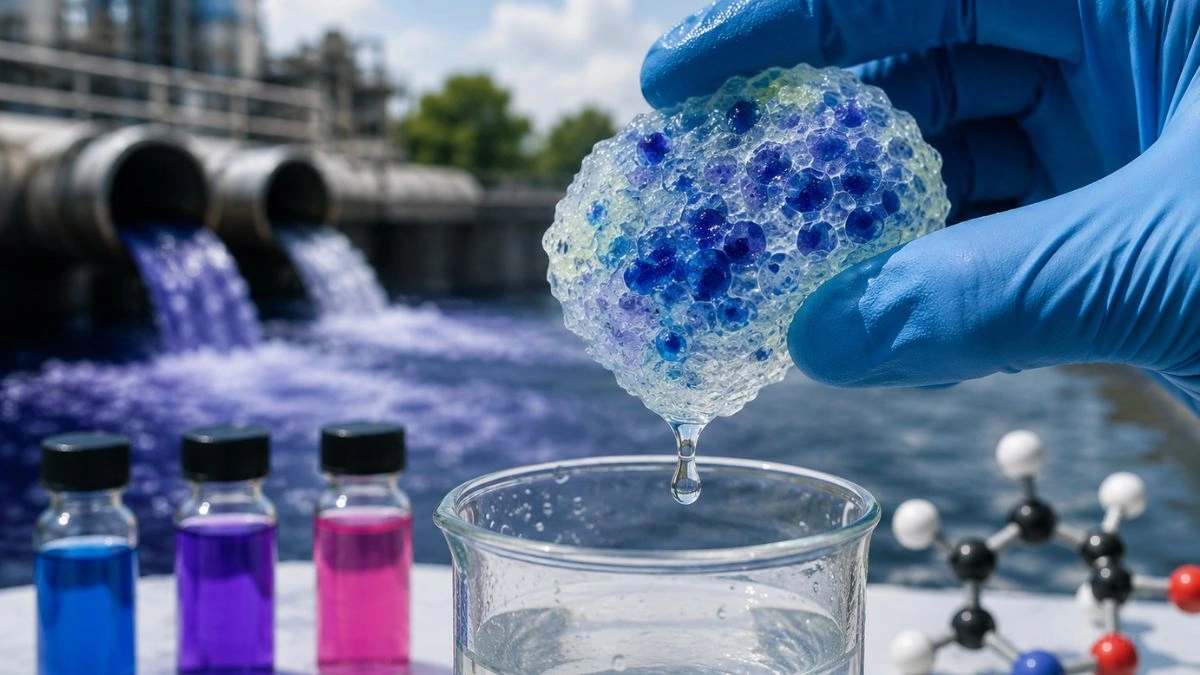
IIT Gandhinagar researchers have developed a biodegradable hydrogel “super sponge” that can remove toxic industrial dyes from contaminated wastewater with very high efficiency.
The material, named CAPA, is made from carboxymethyl cellulose and acrylic acid. By adjusting acrylic acid content, researchers tuned its pore network, surface properties and adsorption behaviour. The best variant, CAPA-2, removed 99.6% of methylene blue and showed adsorption capacity of about 475 mg of dye per gram of hydrogel. It also captured dyes such as crystal violet and rhodamine B.
The technology targets textile, paper, cosmetics and leather wastewater. Its reusable, broad-spectrum performance could make treatment more practical and less energy-intensive.
View SourceIIT Gandhinagar Develops Adaptive EV Charging Method To Curb Battery Degradation
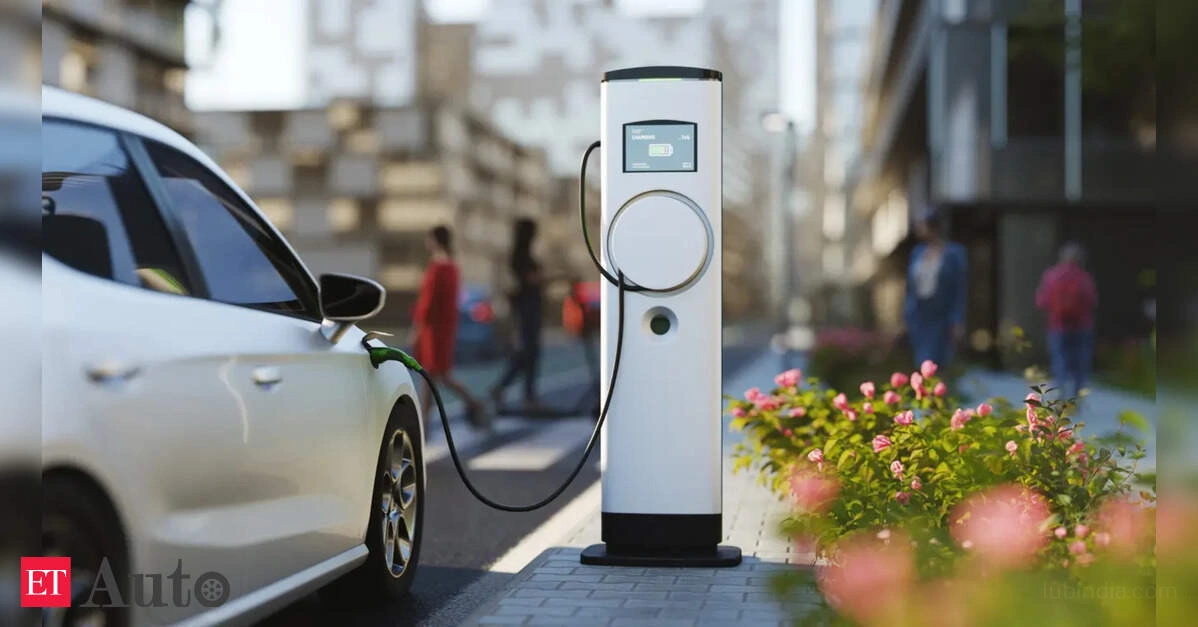
IIT Gandhinagar researchers have developed an adaptive charging strategy for lithium-ion batteries to improve electric-vehicle charging while reducing degradation from lithium plating.
The method uses a five-step adaptive Multi-Step Constant Current framework that adjusts charging thresholds at the start of each cycle based on battery age and ambient temperature. It monitors impedance through Rest-Interrupted Constant Current testing and uses Taguchi optimisation to select stage-wise currents. The system lowers current before lithium plating begins, helping avoid capacity loss and safety risks.
Tests on Panasonic NCR18650B cells showed 10.65% better charge-capacity utilisation and 0.55% higher charging efficiency than conventional plating-aware charging. The method could be integrated into EV battery-management systems.
View SourceCSIR-NBRI Develops Satellite-Based Tool To Map Greening Priorities Along River Corridors
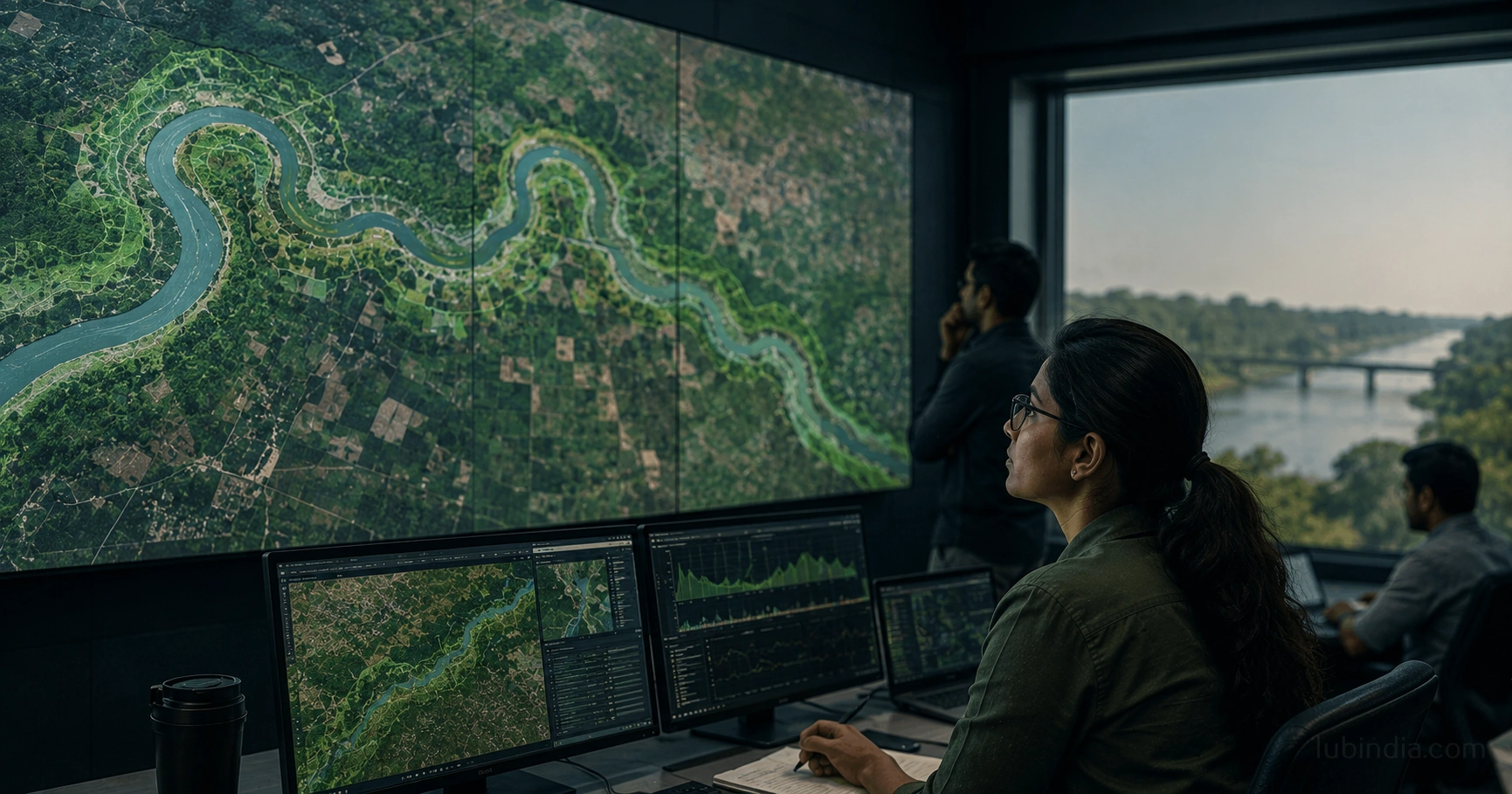
CSIR-NBRI has developed a satellite-based decision-support tool to help cities identify priority zones for greening and ecological restoration along river corridors.
Called the Integrated Spatial Decision-Support Framework, it combines satellite imagery, land-use data, soil parameters and field observations into a Composite Restoration Index. The tool works like a landscape health check, using platforms such as Google Earth Engine, R and QGIS to map vegetation stress, land-surface temperature, bare land and soil-related indicators.
Tested on Lucknow’s Gomti river corridor, the framework can guide plantation drives, green buffers, soil restoration and invasive-species management. Researchers say it offers municipal bodies a cost-effective way to target limited restoration resources.
View SourceDRDO, IAF Successfully Test RudraM-II Anti-Radiation Missile Designed To Destroy Enemy Radars

DRDO and the Indian Air Force have successfully flight-tested the indigenous RudraM-II air-to-surface missile, strengthening India’s radar-suppression capability.
Launched from a Su-30MKI fighter, RudraM-II is an anti-radiation missile designed to detect, track and destroy enemy radar and communication emitters. The recent trials were conducted under extreme release conditions and validated the performance of critical subsystems through the flight trajectory. Such weapons support suppression and destruction of enemy air defences by using hostile radar emissions as targeting cues.
The test enhances the IAF’s stand-off precision-strike options and reduces dependence on imported air-defence suppression systems. It also marks continued progress in DRDO’s RudraM missile family.
View SourceISRO Successfully Grows Black-Eyed Pea Plants In Space Aboard A Recycled Rocket Stage
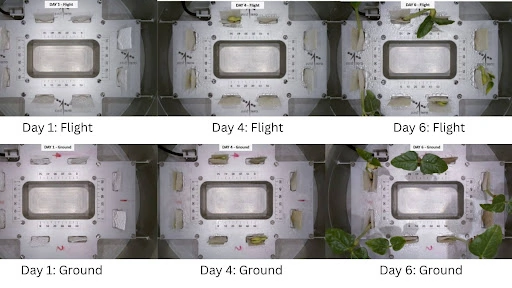
ISRO has successfully grown black-eyed pea plants in space using an autonomous module mounted on a repurposed rocket stage.
The Compact Research Module for Orbital Plant Studies, or CROPS, flew on the PSLV-C60 mission and operated on the PS4 Orbital Experiment Module in low Earth orbit. Five of eight cowpea seeds germinated and reached the two-leaf stage. The sealed mini-greenhouse used wicking pouches, artificial soil, controlled water injection, LED lighting, cameras and environmental sensors to support and monitor growth.
The experiment is a proof-of-concept for bio-regenerative life-support systems needed for long-duration missions and India’s planned Bharatiya Antariksh Station. Future modules will need improved thermal and moisture control.
View SourceIIT Bhubaneswar AI Model Claims To Predict Cloudbursts 72 Hrs In Advance
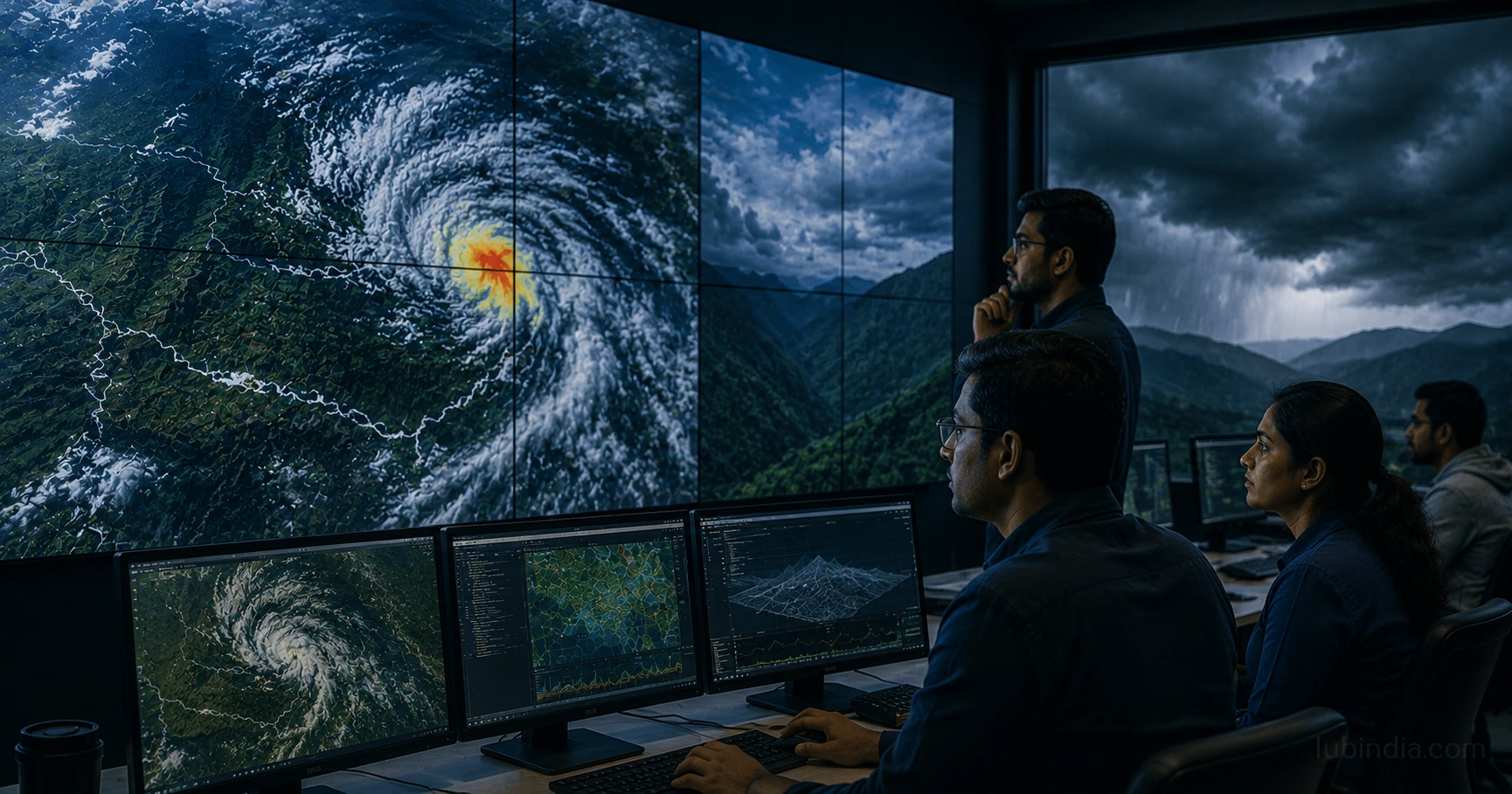
IIT Bhubaneswar researchers have developed a deep-learning model that claims to predict Himalayan cloudburst events up to 72 hours in advance.
The system, called a dual-encoder cross-attention fusion transformer, combines district-level and state-level weather patterns to improve rainfall estimation over complex mountain terrain. Tested on the August 2023 Himachal Pradesh and Uttarakhand disaster period, it outperformed conventional Weather Research and Forecasting model ensembles, reporting mean absolute error below 9 mm and capturing multiple cloudburst events.
The model could strengthen early-warning systems in ecologically fragile regions vulnerable to flash floods and landslides. Researchers say it has direct value for disaster preparedness, mitigation planning and climate-risk response.
View Source