Empowering Rural Healthcare: Concluding Ceremony of Basic Nursing Course in South Goa
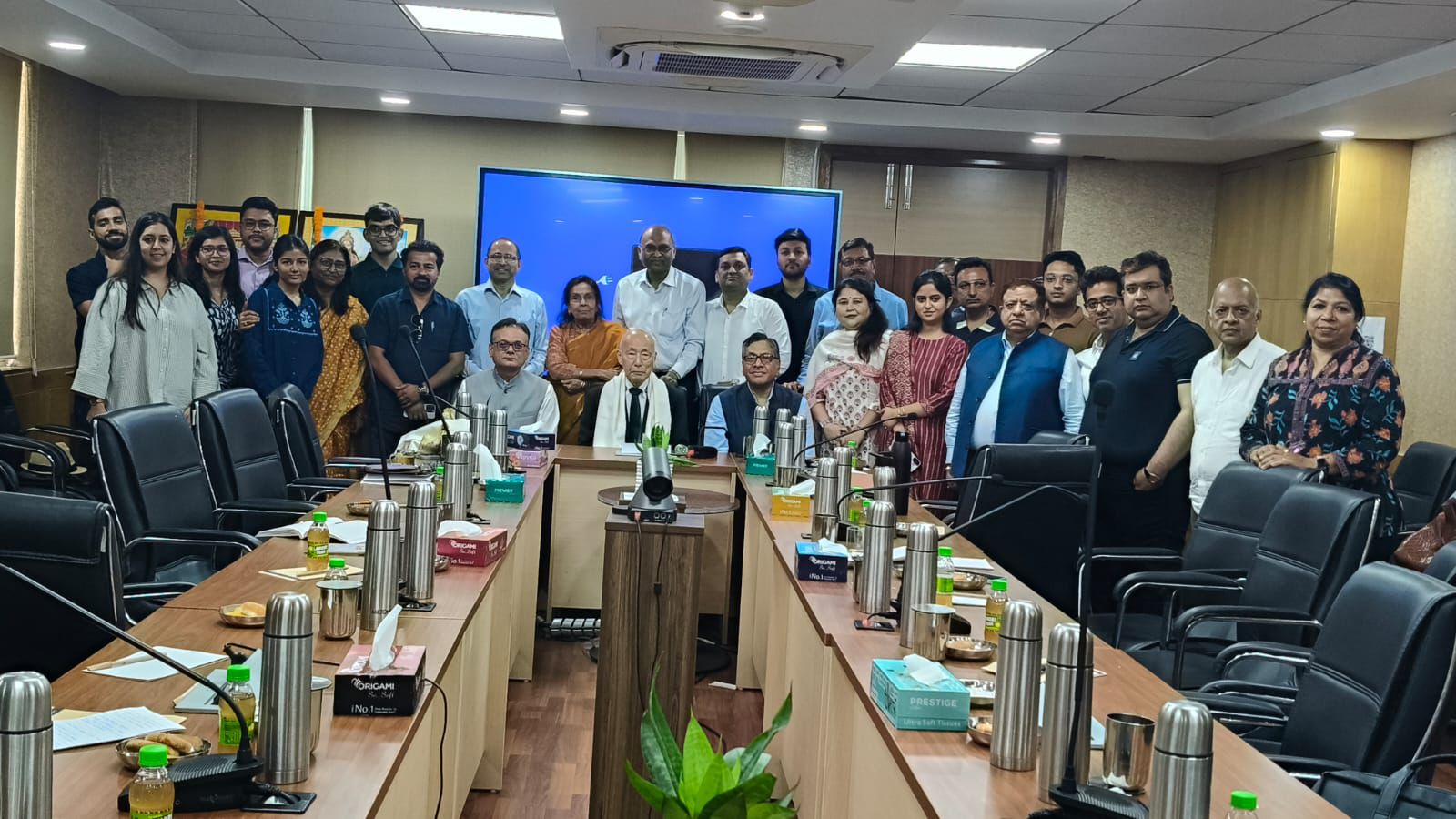
The concluding session of the Basic Nursing Course, a collaborative initiative by Oorja Training and Research Academy, Goa Livelihoods Forum, and the Rural Development Agency (RDA), Government of Goa, was held at the Mathany Saldanha Complex, South Goa Collectorate, Margão. This initiative marked a significant step in strengthening grassroots healthcare by equipping 23 carefully selected women from the South Goa district with essential nursing skills.
The training program combined theoretical knowledge with hands-on experience, as the participants underwent practical sessions in local hospitals and nursing centers. This dual approach ensured that the women not only gained academic insight but also developed confidence and competence through real-world exposure.
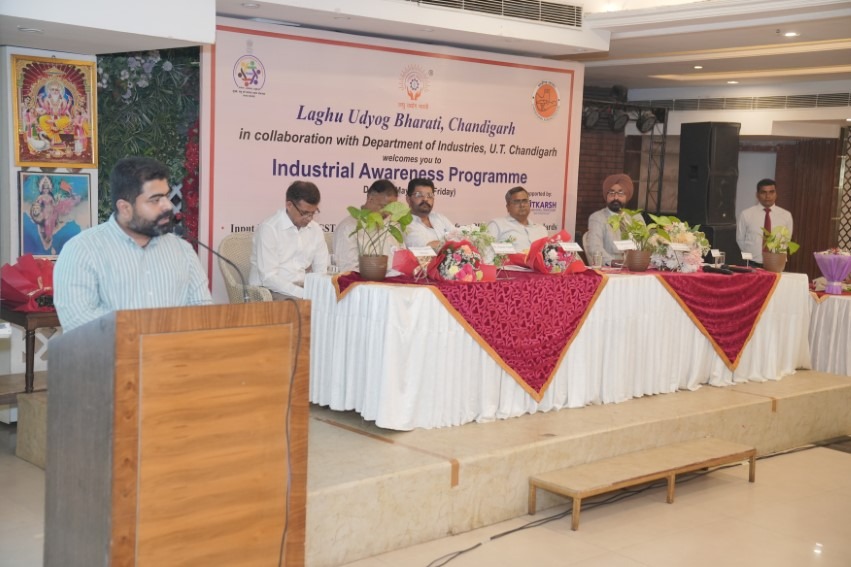
The valedictory function was graced by CA Vibhor Keny, Treasurer of Laghu Udyog Bharati (LUB), Goa, who attended as the Chief Guest. In his address, he highlighted the importance of skill-based training for women, especially in the healthcare sector, which plays a vital role in community development. Dr. Milind Desai, present as the Guest of Honor, praised the course for its impactful outcomes and the dedication shown by the participants.
Laghu Udyog Bharati extended its wholehearted support to the initiative by committing to provide entrepreneurial training and opportunities to the trained women, helping them transition from skilled individuals to potential healthcare micro-entrepreneurs within their communities.
This impactful initiative was led by Dr. Sneha Bhagwat, whose efforts were recognized and lauded during the session. Through her leadership, the program successfully created a pool of trained nursing assistants, thereby not only boosting the healthcare infrastructure at the village level but also paving the way for sustainable livelihoods for rural women.
The Basic Nursing Course stands as a model of how multi-stakeholder partnerships can come together to address local needs, empower women, and enhance healthcare access in remote and underserved areas.